
Solar Landscape + DNV: Engineering Solar Development at Scale
Connecting Baseload directly to independent engineering review to accelerate the path from rooftop evaluation to project financing.
Integration Highlights
- Production models submitted directly from Baseload to DNV
- Independent review based on DNV-aligned modeling engines and data sources
- Broader independent engineering review integration planned over time
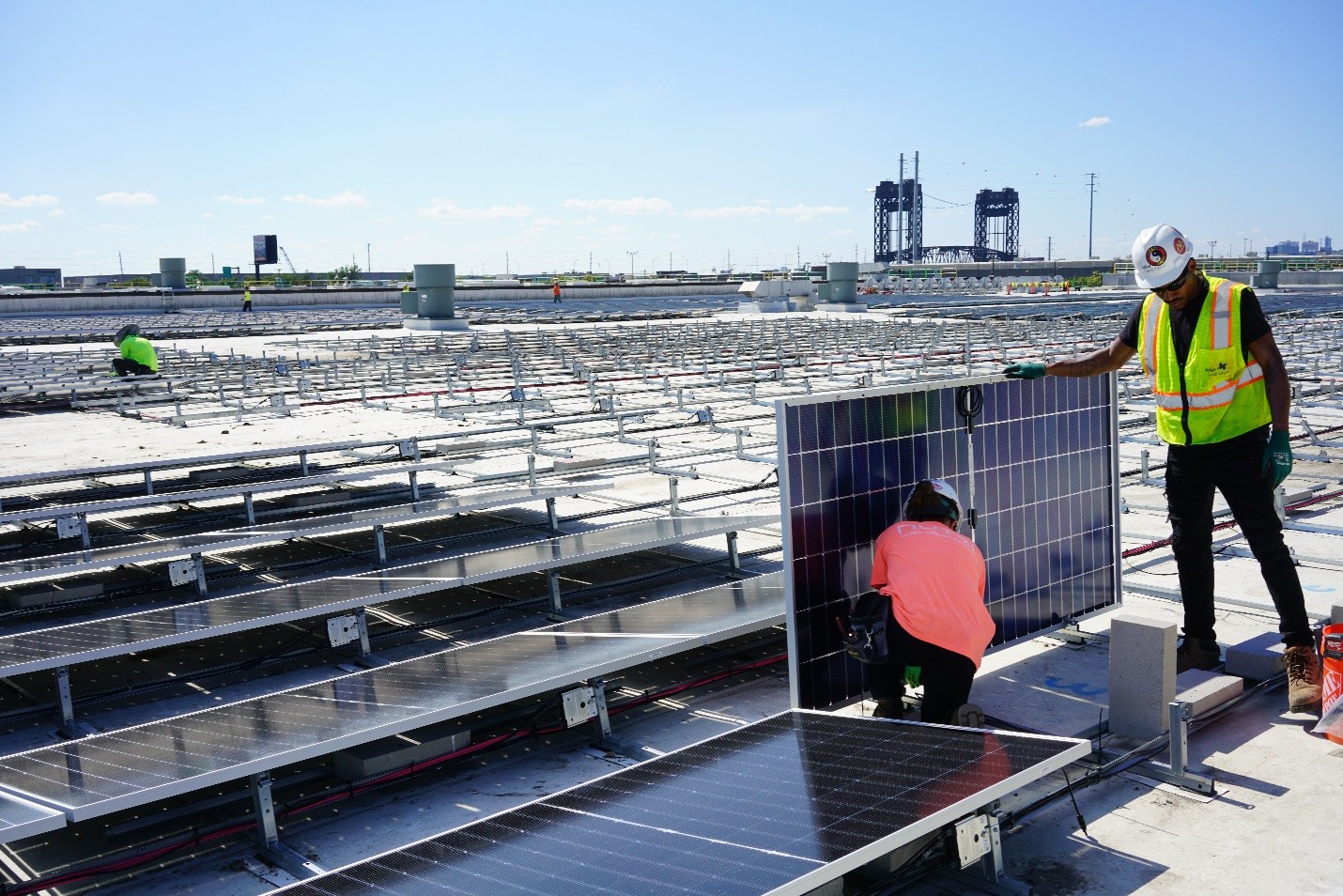
Developing rooftop solar at scale requires a faster engineering process.
Large commercial real estate portfolios contain thousands of potential solar sites. Identifying viable rooftops is only the first step. Each project also requires detailed design, energy production modeling, and technical validation before advancing toward financing and construction.
Traditional workflows often involve separate software platforms, manual data transfers, and repeated engineering reviews. For developers managing hundreds of projects simultaneously, these steps can create significant bottlenecks. Solar Landscape previously relied on off-the-shelf design and modeling tools that did not scale for screening, design, and production modeling at its volume. The company built Baseload to replace those tools and support a more scalable workflow.
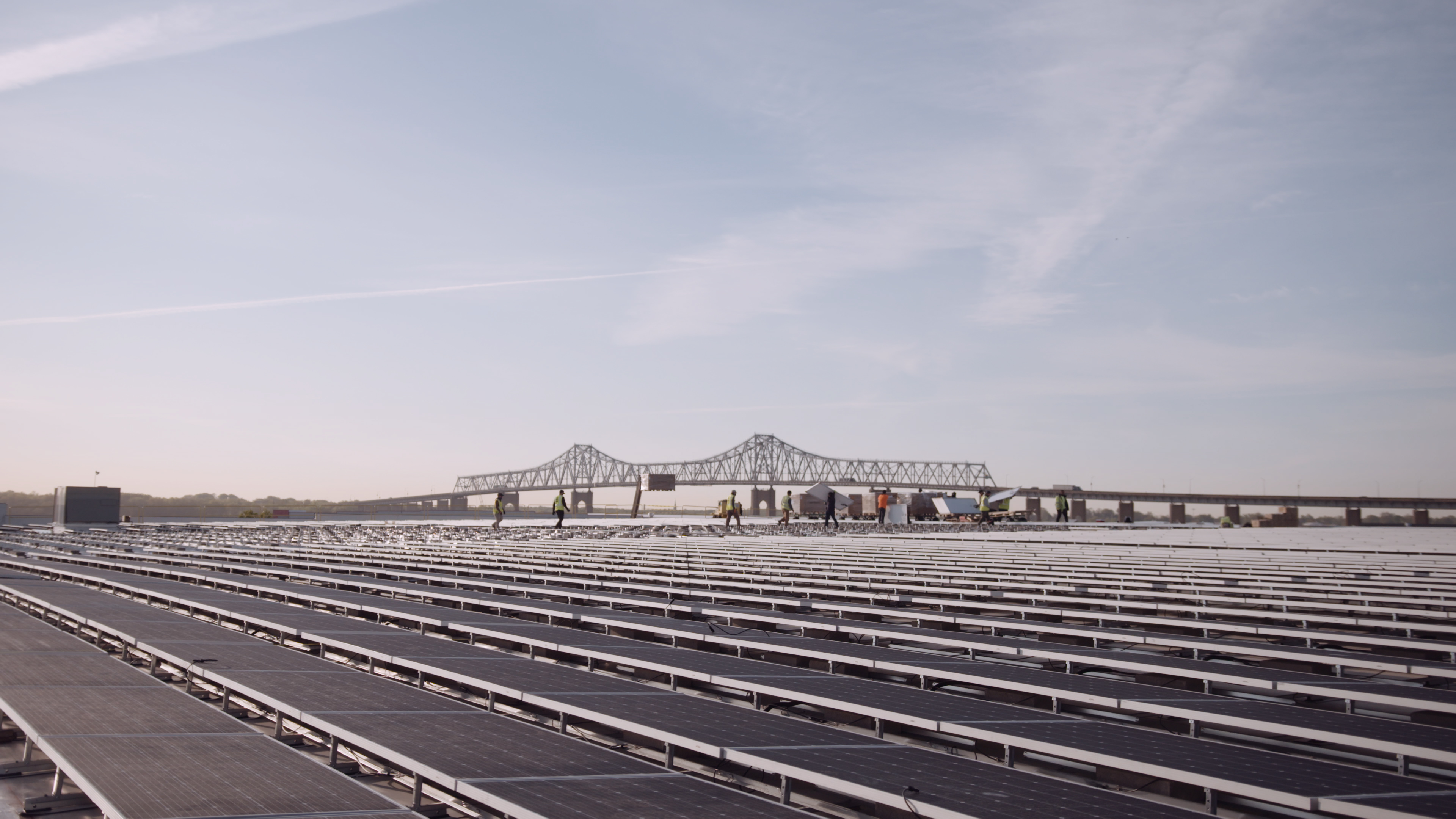
Connecting Baseload directly to independent engineering review
Solar Landscape developed Baseload, its proprietary technology platform, to screen commercial rooftops at scale, generate solar designs, and model energy production.
To streamline the next stage of development, Solar Landscape partnered with DNV, a global independent energy expert and assurance provider, to connect Baseload directly to DNV's independent engineering review.
Baseload generates production models using the same engines and data sources DNV uses and submits them to DNV for independent review and approval directly from the platform.
This gives Solar Landscape access to validated solar-resource inputs during project feasibility and allows it to undertake an indicative energy assessment earlier in development. Because the initial work uses DNV-aligned modeling engines and data sources, a substantial part of the analytical foundation for a later bankable energy assessment is already in place.
Downstream of initial site screening and design, Solar Landscape plans to expand the integration across the full project lifecycle, hosting engineering reviews and site design changes in Baseload to provide a single source of truth through the end of construction.
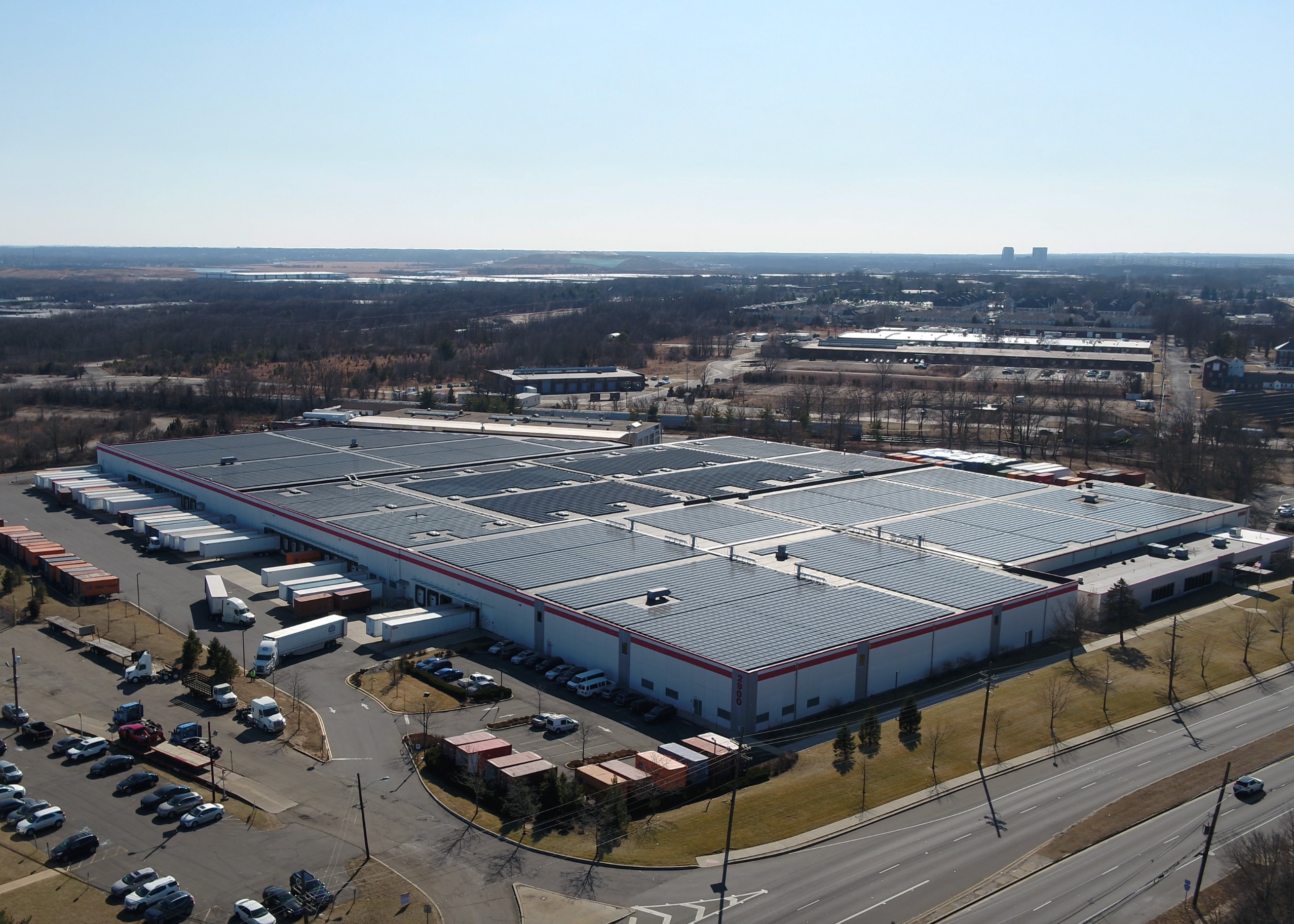
Earlier project insight. Faster report delivery. More scalable execution.
The integration connects Baseload production models directly to DNV's independent review, reducing friction between project design and technical validation.
The integrated workflow has enabled Solar Landscape to achieve three times faster report delivery, while reducing the manual hand-offs between early-stage modeling and independent engineering review.
For commercial real estate partners, the benefit is straightforward: a more efficient development process for converting rooftop portfolios into operating solar assets.
For Solar Landscape, it supports the ability to execute across hundreds of projects without relying on disconnected development workflows.
For DNV, this integration represents an opportunity to bring insights, accuracy and the benefits of improved modeling from independent engineering expertise to the smooth, fast and scalable experience of a digital platform. This reduces friction between project development and technical review at scale, making solar energy more accessible and reliable.