The fastest path to power runs on purpose-built tech
Distributed solar and storage comes online in as little as 12 months when the systems behind it are not off the shelf. Origination to operations, one connected platform, built by our own engineering team.
Four products, each removing a specific delay from the project lifecycle.
Evaluates a rooftop, a portfolio, or a market in seconds instead of a study cycle.
AI reads leases, emails, meetings, and news, then writes the structured data back where teams work.
Every project record lives in one place, from origination through construction and asset management.
Enrollment, account management, and the engine that allocates subscribers across projects at scale.
Complete solar assessments up to 100× faster
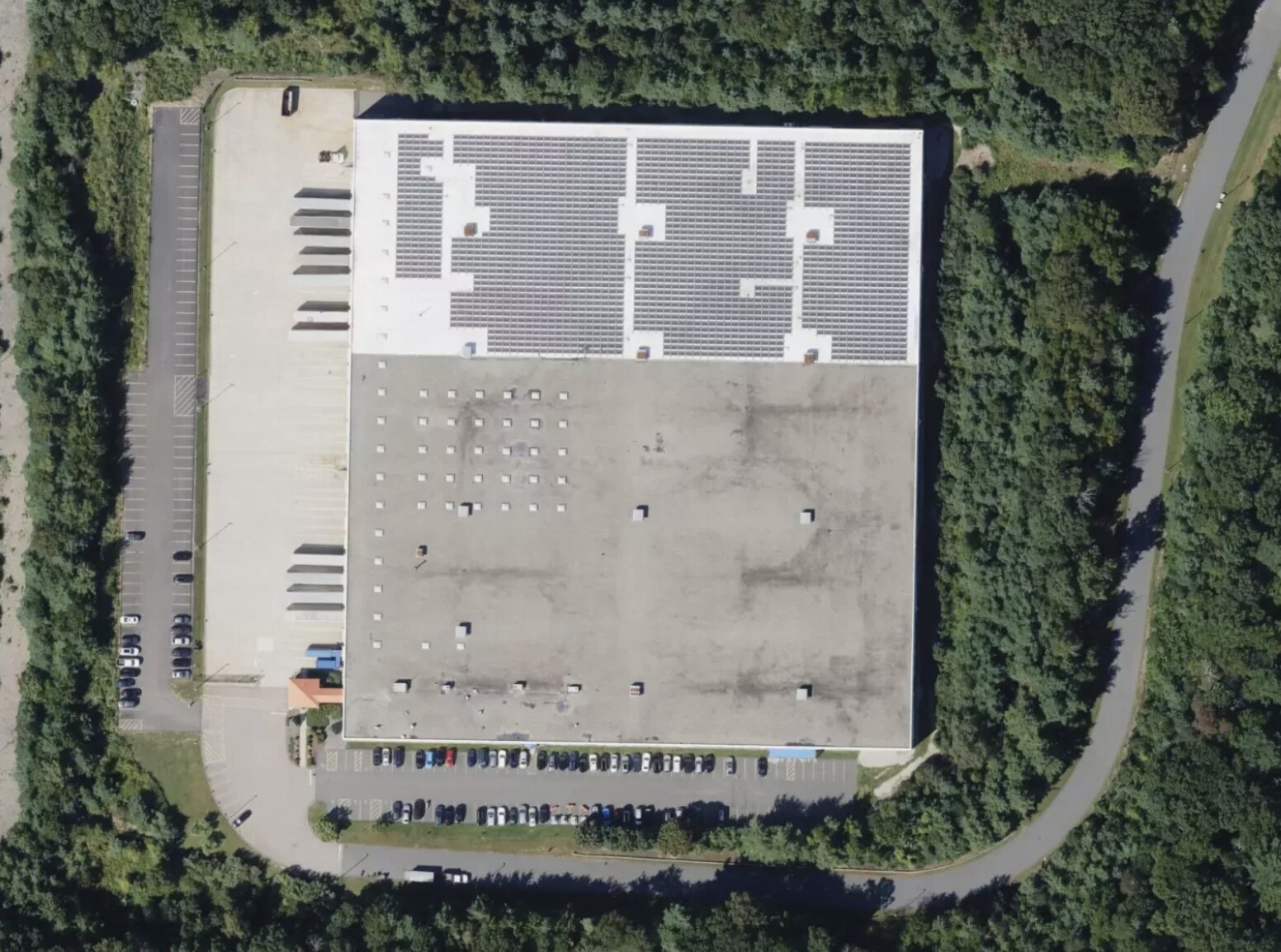
Baseload evaluates any commercial roof in minutes — structure, system size, production, and economics — so partners know whether a site works before conventional tools would return a first estimate.
.jpg)
AI that reads the work, so teams don’t retype it
Grid builds on the tools we already rely on, adding intelligence and customization that help teams move faster. It processes documents such as leases, along with emails, meetings, and news, and extracts key information out of unstructured text.
It also supports complex workflows — calculating and generating lease rent schedules by reading the underlying lease terms, for example — so day-to-day work that used to be manual now runs on its own.
Every team, one source of truth
Every solar project we develop lives in the Hub: sites, leases, interconnection, construction, and operating assets on one record. Development, engineering, and construction all work from the same data, so handoffs happen in software rather than in meetings.
Tens of thousands of subscribers, allocated automatically
Subscriber Hub manages enrollment, allocation, and billing across every operating project. Capacity that used to live in spreadsheets now reconciles itself.
Built in-house, by engineers who deliver
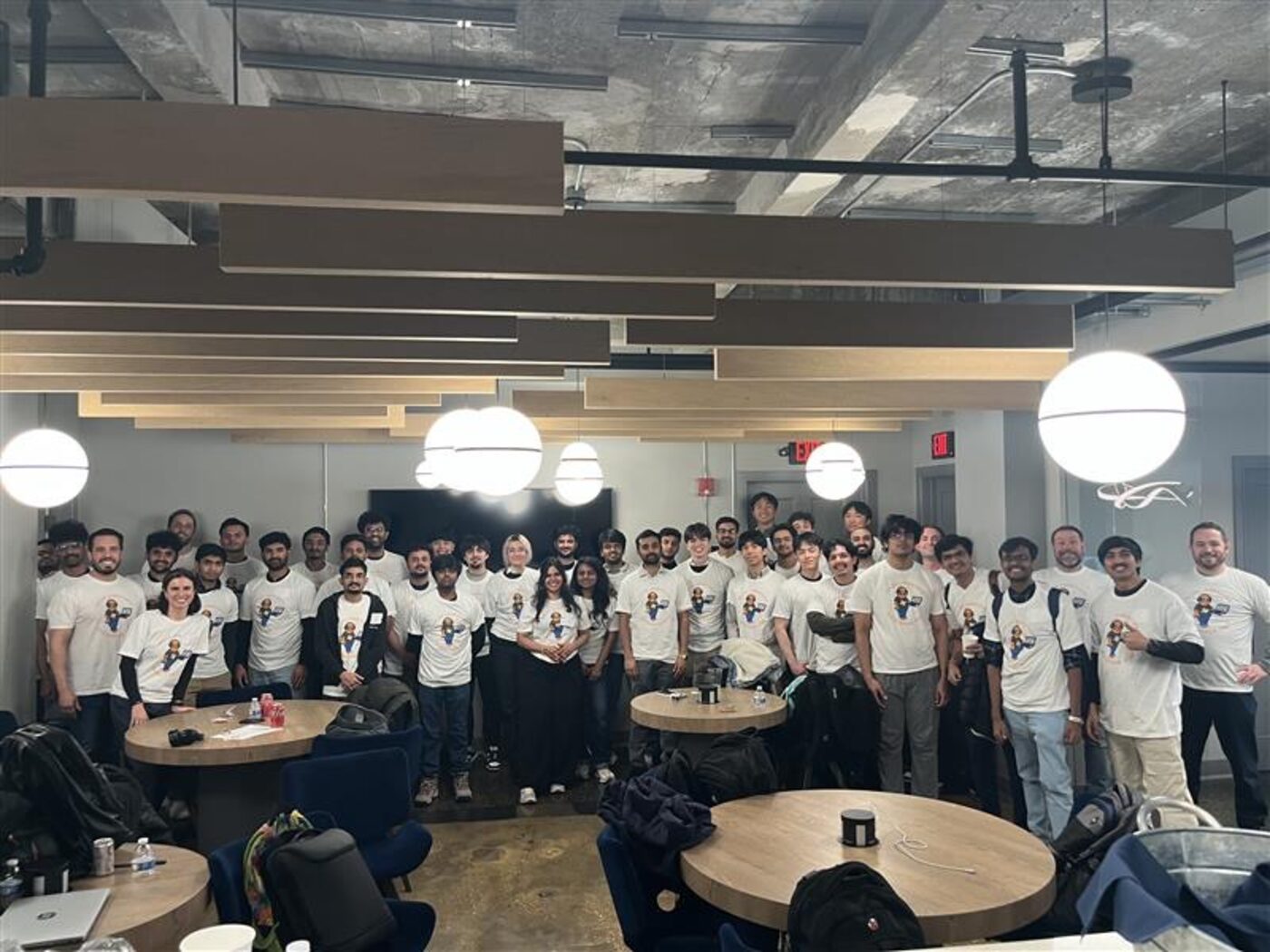
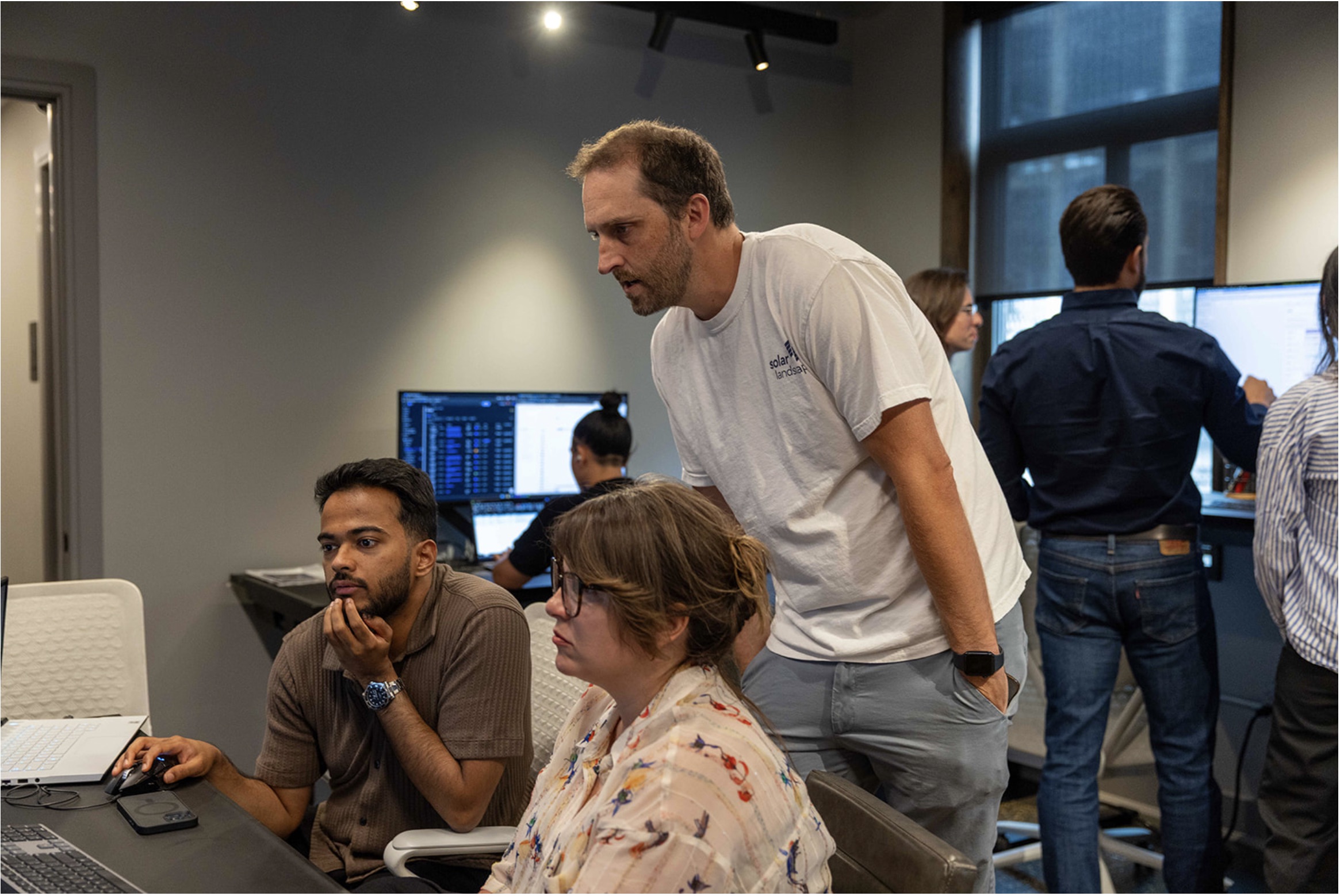
Our engineers come from some of the biggest names in tech and are now building energy infrastructure software from Asbury Park. Product teams like this rarely exist inside a solar developer. That’s the advantage: the people building the software work next to the people building the projects.
 Microsoft
 Amazon
 Rivian+ more