
Building the framework for distributed energy
Helping utilities, regulators, and communities create the conditions for faster energy deployment.
Meeting growing electricity demand requires more than new energy projects. It requires the regulatory frameworks, utility coordination, and market structures that enable distributed energy to scale.
Solar Landscape partners with utilities, regulators, policymakers, and industry stakeholders to advance the policies, programs, and interconnection strategies that bring distributed solar and storage online faster.
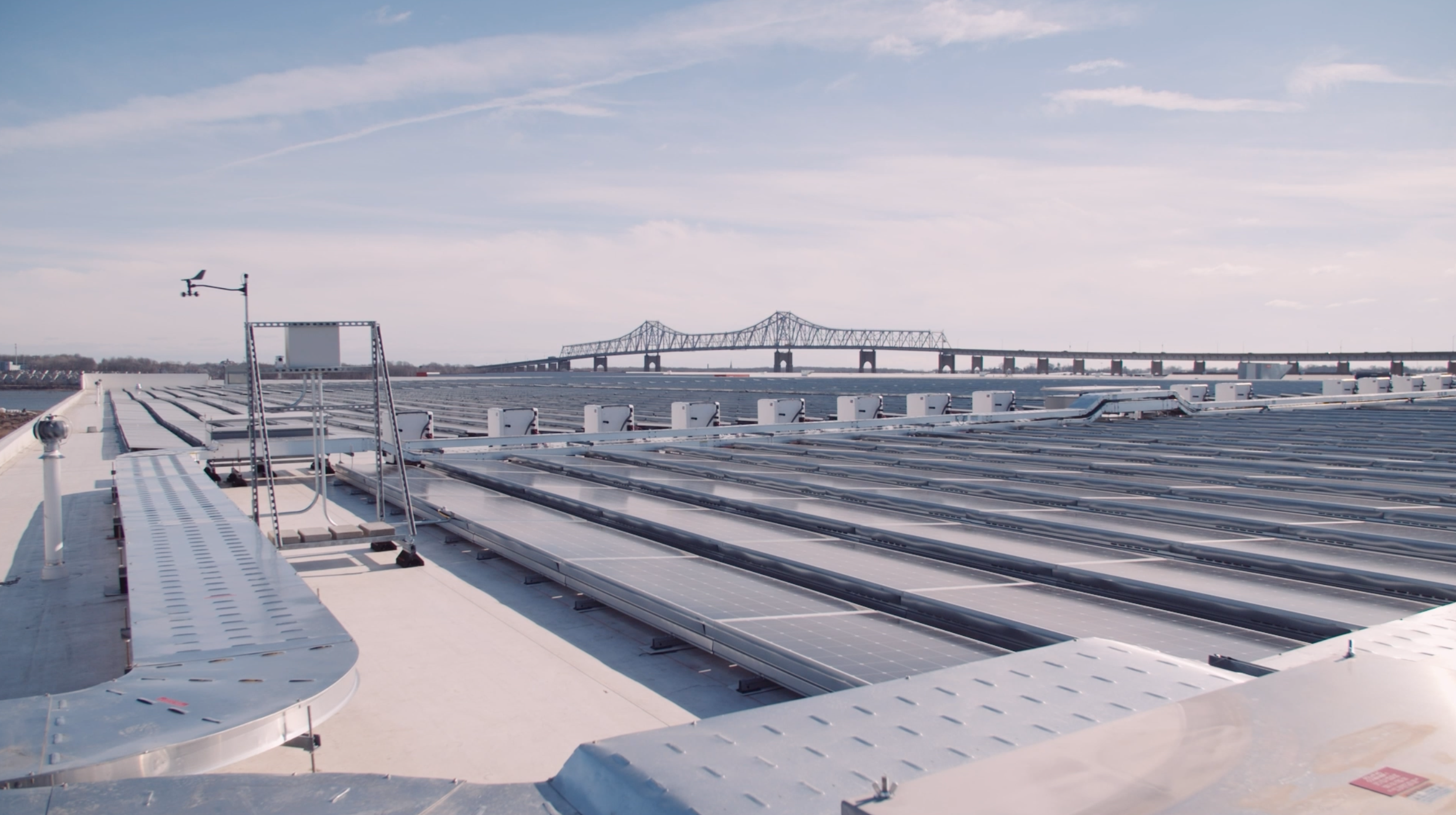
Reduce energy costs across communities
Support local jobs and workforce development
Strengthen long-term grid resilience
Bring new power online faster, closer to demand
~Tailored expertise~ for every stakeholder

Helping utilities plan for growth
As electricity demand accelerates, utilities need solutions that support load growth while maintaining reliability, affordability, and system resilience.
Solar Landscape partners with utilities, regulators, and policymakers to develop the programs, regulatory frameworks, and interconnection strategies that enable front-of-the-meter solar and storage to scale. By aligning policy with utility planning, we help create faster pathways to deploying distributed energy infrastructure.

Helping data centers navigate the path to power
For data center developers, access to power has become one of the biggest determinants of where and when projects can move forward.
Solar Landscape works with utilities, regulators, and other stakeholders to identify pathways that support faster energization, helping data center developers better understand utility capacity, interconnection considerations, and distributed energy opportunities
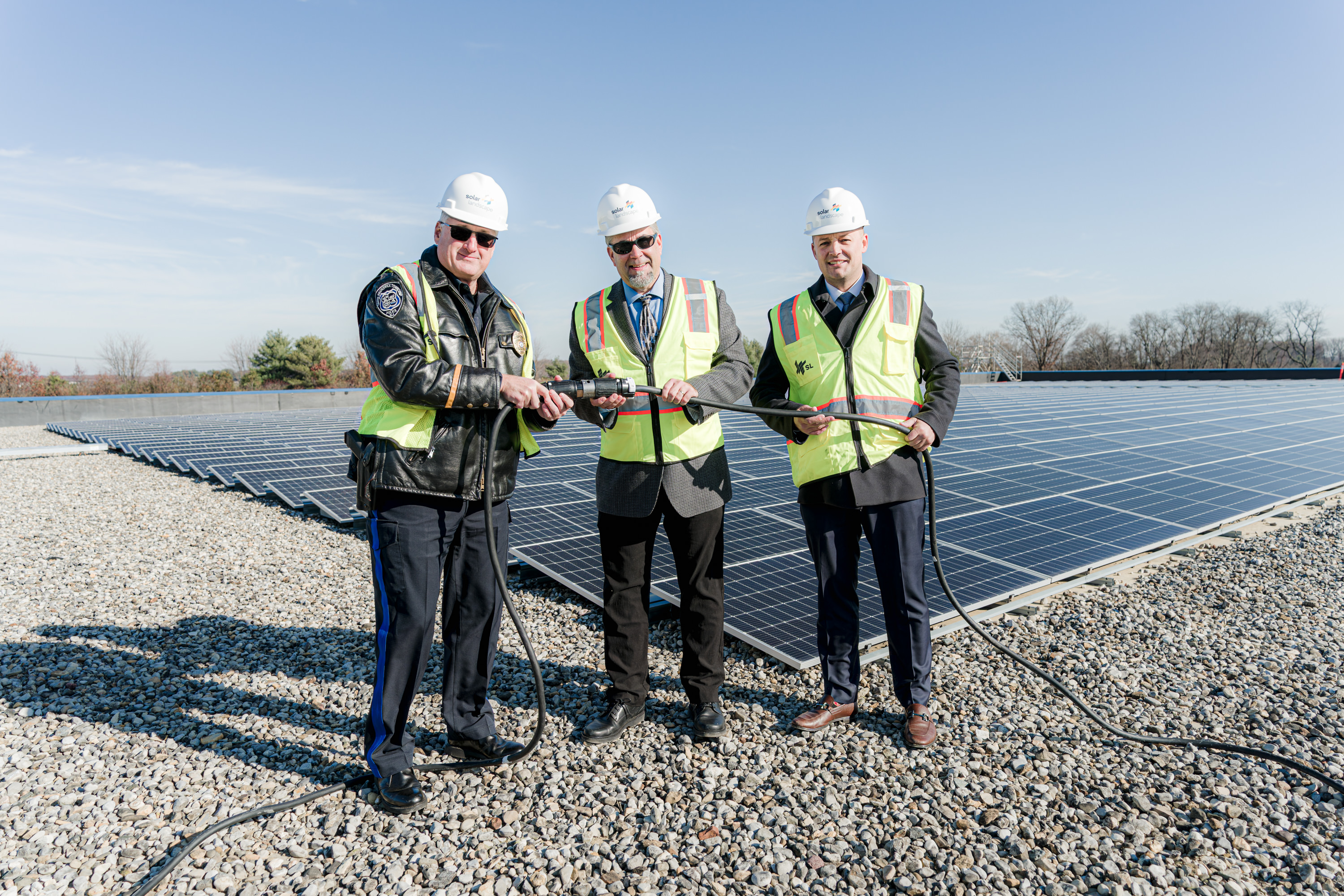
Helping communities unlock new energy infrastructure
Policymakers are balancing economic growth, increasing electricity demand, affordability, and long-term grid resilience.
Solar Landscape partners with regulators, municipalities, and policymakers to develop programs that protect ratepayers and support economic development through distributed solar and storage.
What ~we deliver~
From legislative engagement and regulatory strategy to utility coordination and market design, Solar Landscape helps create the frameworks that move distributed energy projects from concept to deployment.
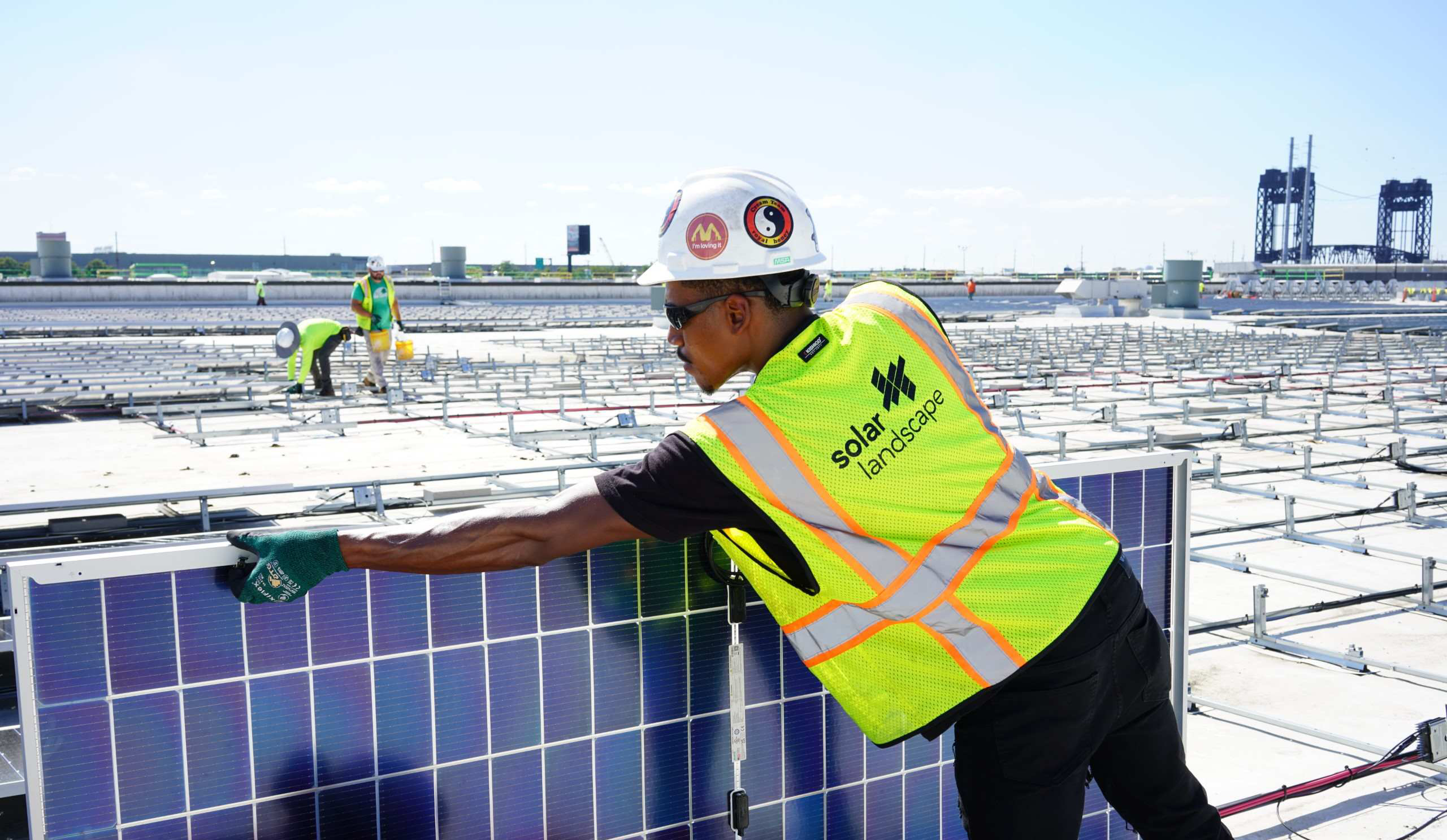
Legislative Pathway Development
In many markets, the enabling framework for distributed solar or storage does not yet exist.
Solar Landscape supports the advancement of legislation and programs that help bring distributed energy to market, including:
- Legislative and stakeholder engagement
- Support for new and existing policy frameworks
- Expert testimony and technical guidance
- Economic and ratepayer impact analysis
- Translation of technical energy concepts into practical policy structures
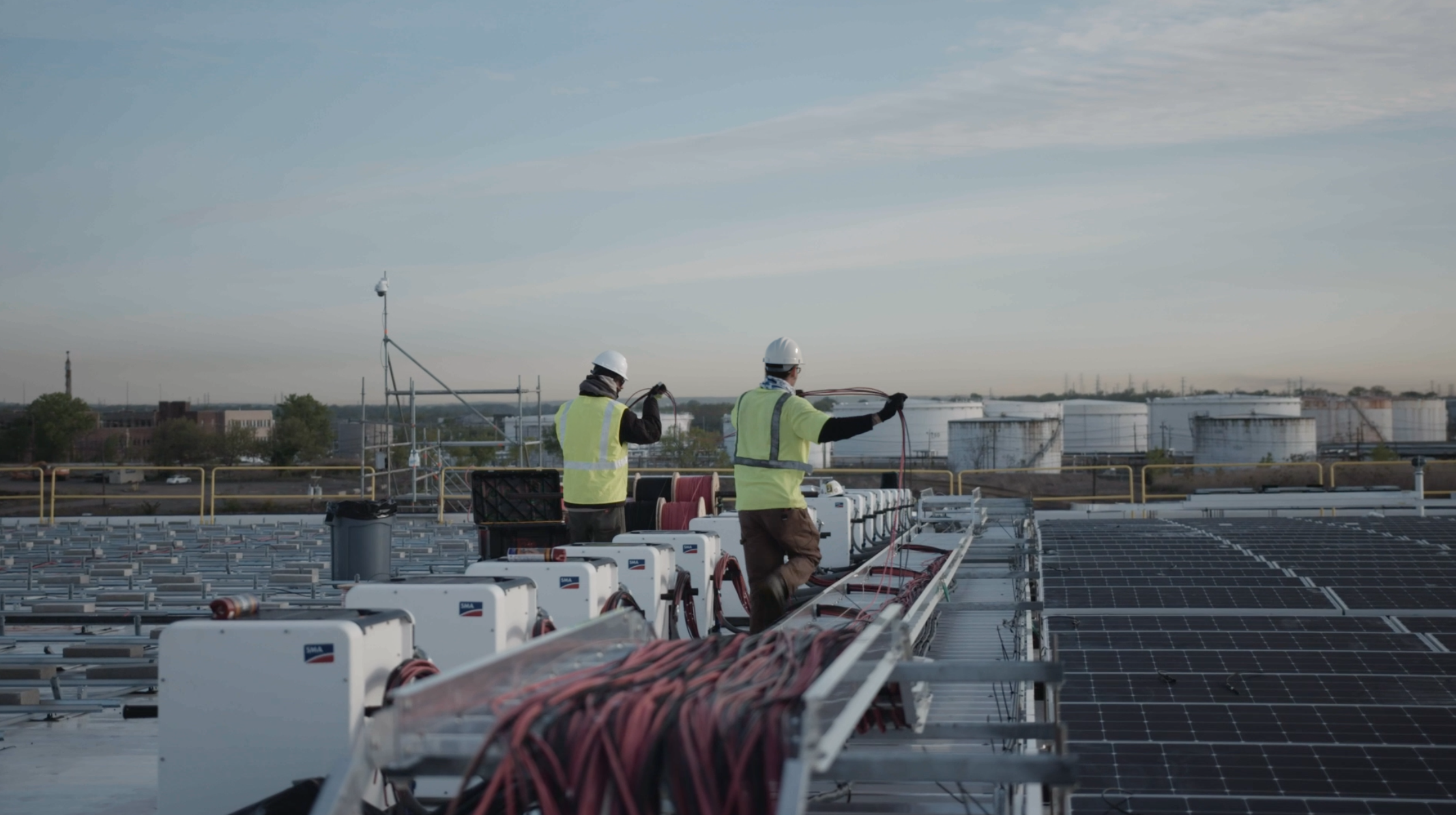
Regulatory Approval Support
Utilities and stakeholders often need support navigating commission proceedings and program approvals.
We help provide:
- Regulatory strategy and framework development
- Program and tariff design support
- Cost-benefit and ratepayer impact analysis
- Third-party technical and market perspectives
- Utility commission filing support
- Stakeholder education and coordination

Utility Engagement & Interconnection Support
Distributed energy introduces new operational and planning considerations that require credible expertise across the grid.
Solar Landscape brings a demonstrated track record in:
- Interconnection strategy
- Utility coordination
- Distribution and sub-transmission planning
- Capacity and energy value framing
- Distributed storage and flexible dispatch considerations
%20(1).avif)
Market & Compensation Framework Design
For distributed solar and storage to scale, the value structure must be clearly defined.
We help stakeholders evaluate:
- Capacity and energy compensation structures
- Dispatch and operational frameworks
- Community solar program design
- Capacity accreditation considerations
- Utility-contracted and program-based models
- Wholesale market interaction
- Ratepayer value allocation and analysis
Built to manage
programs ~at scale~
Solar Landscape's technology ecosystem supports customer operations that serve 783 communities across three states, streamlining administration, improving performance, and supporting long-term scalability.
Platform Highlights
- Currently serving 783 communities across three states and on track to expand reach to 827 communities across five states
- Streamlines enrollment and administration
- Enhances long-term program reliability
- Improves participant experience at scale
Built on project experience
Our expertise isn't theoretical. It's built on the experience of developing, financing, building, owning, and operating distributed energy infrastructure.
Solar Landscape's advisory work is grounded in the realities of bringing distributed energy projects from concept to deployment. That practical experience helps utilities, regulators, policymakers, and other stakeholders develop policies, programs, and market frameworks that are informed by real-world project execution.
Because we work across development, utility coordination, interconnection, financing, construction, and long-term operations, we understand how decisions made during the legislative and regulatory process affect projects in the field. We help create practical pathways that accelerate deployment while supporting grid reliability, affordability, and long-term scalability.
Talk to Our ~Policy Team~
Communities across the country are looking for practical ways to meet growing energy demand, strengthen grid resilience, and expand access to affordable electricity. Solar Landscape partners with policymakers, municipalities, and public agencies to develop distributed energy solutions that support local priorities and accelerate infrastructure deployment.
Email: policy@solarlandscape.com
FAQs
Find answers to frequently asked questions about the role of distributed energy in meeting growing electricity demand, supporting communities, expanding grid capacity, and delivering reliable, affordable energy.
How can distributed energy support economic development?
Reliable electricity is essential to attracting new businesses, supporting industrial growth, and creating jobs. As electricity demand increases, access to power is becoming an increasingly important factor in economic development.
Distributed energy helps communities expand local electricity generation and grid capacity more quickly by leveraging existing commercial properties. Faster access to energy infrastructure can help support business expansion, manufacturing, logistics, data centers, and other industries that depend on reliable power.
How can states expand electricity supply faster?
Meeting growing electricity demand will require a combination of new generation, transmission, storage, and distributed energy resources.
Commercial rooftop solar and battery storage can often be deployed more quickly than large greenfield projects because they leverage existing buildings, existing utility infrastructure, and previously developed land. By incorporating distributed energy into long-term planning, states can diversify their energy portfolios while accelerating new electricity supply.
What role does commercial real estate play in expanding the grid?
Commercial real estate represents one of the nation's largest untapped energy resources. Warehouses, distribution centers, manufacturing facilities, retail centers, office buildings, and other commercial properties offer millions of square feet of rooftop space that can support distributed solar and battery storage.
Rather than viewing these properties solely as buildings, they can be viewed as platforms for new energy infrastructure that helps utilities serve growing electricity demand while creating new revenue opportunities for property owners.
How does commercial rooftop solar strengthen the grid?
Commercial rooftop solar generates electricity close to where it is consumed, reducing the need to deliver power over long distances. This local generation helps diversify energy resources, improve grid resilience, and reduce pressure on existing transmission infrastructure.
When paired with battery storage, distributed energy can also provide dispatchable capacity that helps utilities manage periods of high demand and improve overall system reliability.
Why is distributed energy important for policymakers?
Electricity demand is growing faster than new energy infrastructure can be built. Policymakers are increasingly looking for solutions that can expand electricity supply, strengthen grid reliability, and support economic growth without placing unnecessary burdens on ratepayers.
Distributed energy offers one pathway to meeting these goals by utilizing existing commercial real estate to add new generation and storage more quickly than many traditional infrastructure projects.
Can distributed energy lower electricity costs?
Distributed energy can help reduce electricity costs in several ways. Community solar programs provide participating households with direct savings on their utility bills, while local generation can reduce system costs by producing electricity closer to where it is used.
Although electricity prices are influenced by many factors, distributed energy helps diversify energy resources and can contribute to a more resilient and efficient electric system over time.
How does community solar benefit local residents?
Community solar gives households, renters, and businesses the opportunity to benefit from solar energy without installing panels on their own property. Participants subscribe to a local solar project and receive credits on their electricity bills for the energy the project generates.
For many families, community solar provides a simple way to lower monthly electricity costs while expanding access to clean, locally generated energy. By making solar available to more people, community solar helps states meet clean energy goals while delivering direct financial benefits to residents.
How does Solar Landscape work with local governments?
Solar Landscape partners with utilities, policymakers, municipalities, and community stakeholders to develop distributed energy projects that align with local energy goals and economic priorities.
The company works collaboratively throughout project development to support responsible siting, regulatory compliance, community engagement, and long-term energy planning while helping expand access to reliable electricity.