
Power demand is outpacing the grid
We're built to respond. Transmission-scale generation is often delayed by permitting, siting, NIMBY opposition, and grid constraints, making it difficult to bring new capacity online when it's needed most.
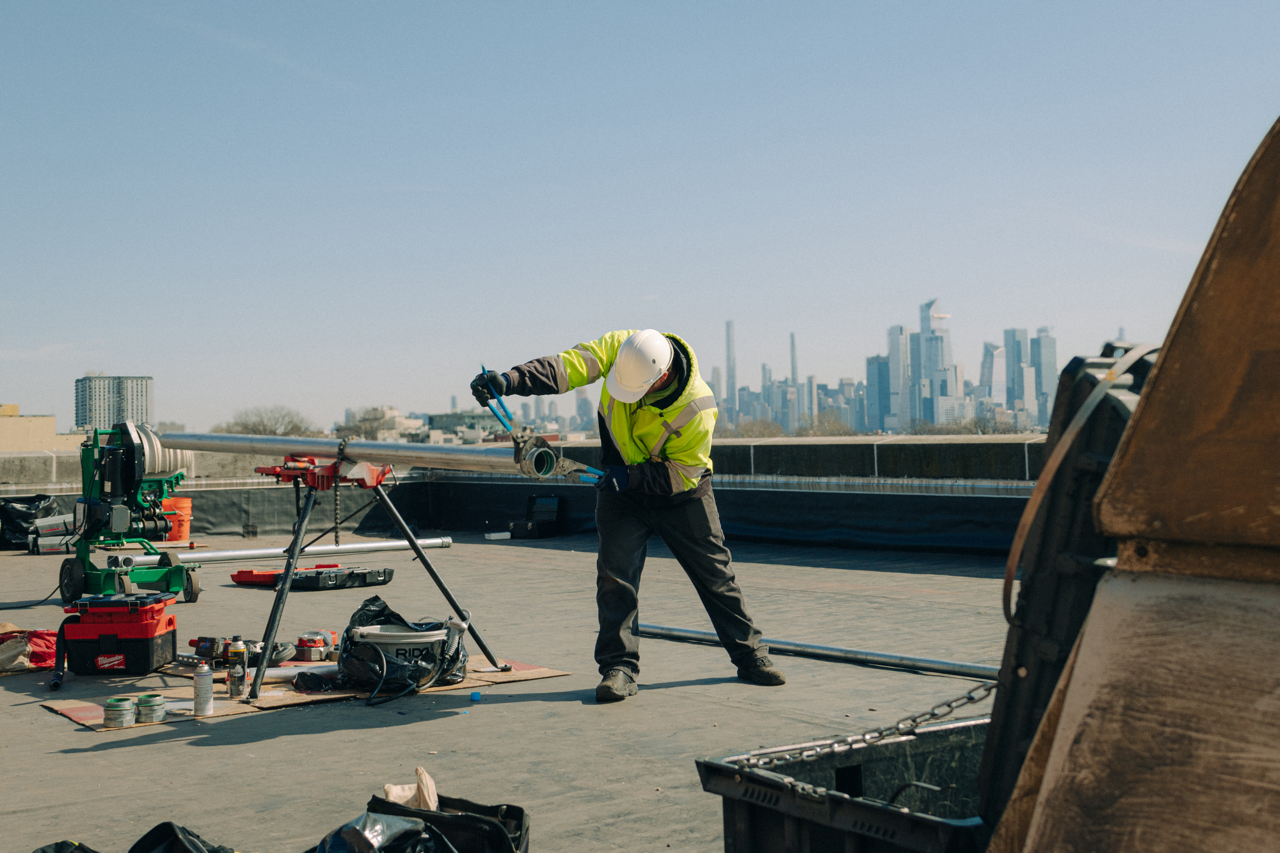
Proven commercial real estate platform
- 170+ commercial real estate partners providing nationwide site control
- Built on existing commercial real estate near existing electrical infrastructure
Faster deployment
- Avoid delays caused by permitting, land-use conflicts, and community opposition
- Capacity deployed in as little as 12 months
Grid-ready capacity
- Dispatchable storage aligned to peak demand
.svg)
.svg)
.svg)
.svg)
.svg)
.svg)
.svg)
.svg)
.svg)
.svg)
.svg)
.svg)
.svg)
.svg)
.svg)
%20(1).avif)
Helping utilities operationalize distributed infrastructure
Commercial Rooftop Solar Could Deliver Up to $1.8 Billion in Ratepayer Savings In Pennsylvania
A new independent analysis by The Brattle Group found that commercial rooftop solar deployed across Pennsylvania could help lower energy costs, accelerate new power capacity, and reduce pressure on the grid.
Power with ~purpose~
Delivering benefits for the grid, communities, and ratepayers.
%20(1).avif)
Help close the gap between large load demand and power delivery.
Additional capacity structured for ~your needs~ - fast
.avif)
Power Purchase Agreements (PPAs)
.jpg)
Tolling Agreements
.avif)
Build Transfer Agreements
Solar Landscape delivers flexible pathways to bring new generation and capacity online within your existing footprint—aligned to your operational, regulatory, commercial, and financial priorities.
%20(1).avif)
~Experienced execution~ where it matters most.
Deploying distributed energy at scale requires more than development expertise. It demands the ability to navigate commercial real estate, interconnection, permitting, utility coordination, and execution, across multiple projects, stakeholders, and timelines simultaneously.
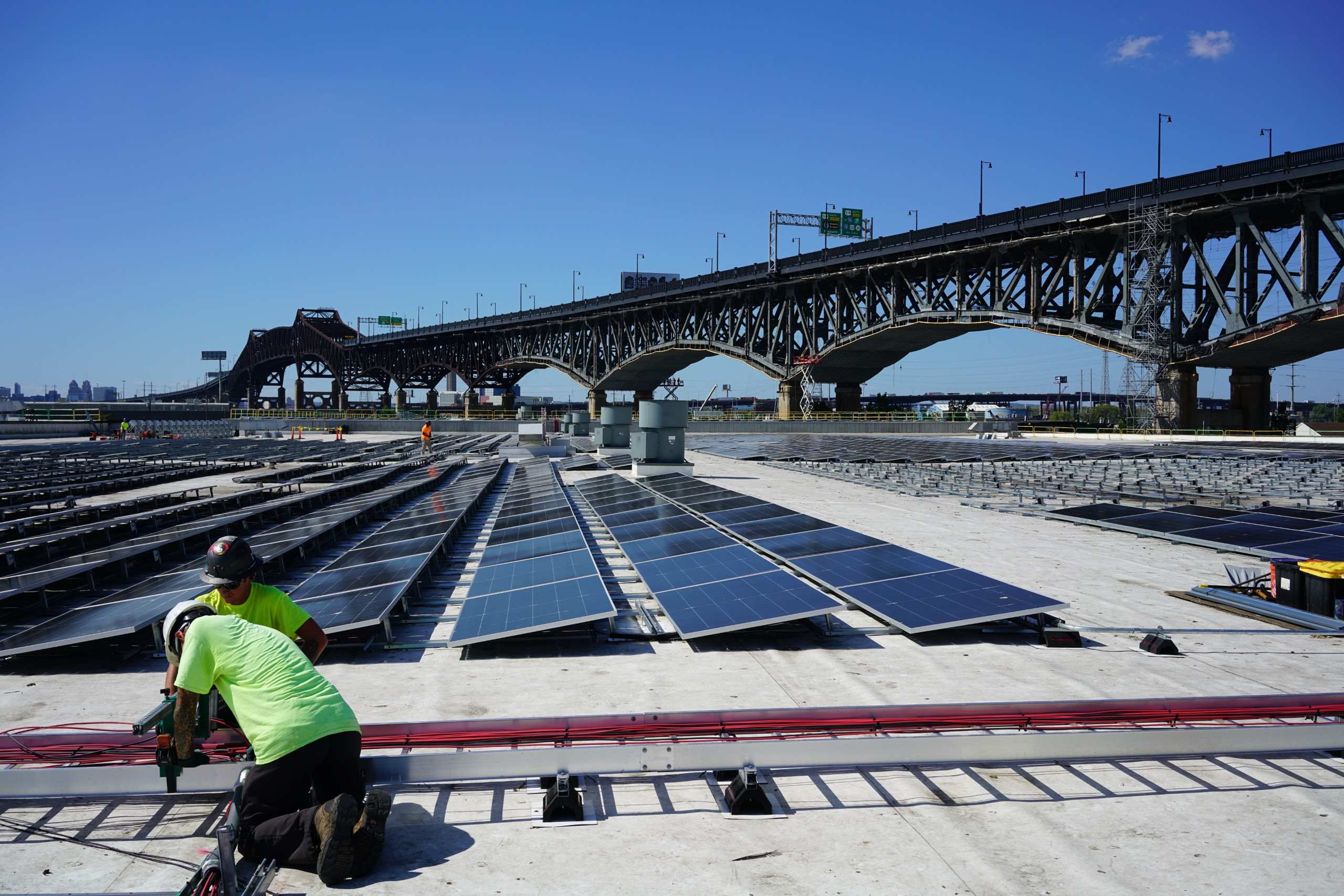
A single partner.
~Real results.~
Solar Landscape manages the complexity end-to-end: siting, developing, building, and operating distributed, front-of-the-meter solar and storage on commercial real estate properties, so you can bring new power online faster, reduce execution risk, and move with confidence.
Explore our solutions
Solar
Deploy front-of-the-meter solar on commercial real estate to add generation closer to where electricity is consumed, diversify energy resources, and strengthen the distribution grid.
Storage
Deploy battery storage to increase system flexibility, support peak demand, improve reliability, and deliver capacity where and when it's needed most.
Utility & Regulatory Engagement
Partner with an experienced team that understands utility priorities, regulatory frameworks, and program implementation to accelerate distributed energy deployment.
Talk to our ~Utility Team~
As electricity demand continues to accelerate, utilities need energy infrastructure that can be deployed faster. Solar Landscape partners with utilities to develop front-of-the-meter distributed solar and storage on commercial real estate—helping support load growth, strengthen grid reliability, and deliver new energy resources where they're needed most.
Reach us at: utilities@solarlandscape.com
FAQs
Explore answers to frequently asked questions about front-of-the-meter distributed energy, commercial rooftop solar, battery storage, grid capacity, interconnection, and how distributed energy helps utilities meet growing electricity demand.
How can distributed energy help utilities meet rising electricity demand?
As electricity demand grows from data centers, electrification, manufacturing, and population growth, utilities need faster ways to add new generation and grid capacity. Distributed energy—including commercial rooftop solar and battery storage—can help utilities increase local electricity supply closer to where it is needed.
By leveraging existing commercial real estate, distributed energy can often be developed more quickly than traditional infrastructure projects, helping utilities address near-term demand while supporting long-term grid planning.
What is front-of-the-meter distributed solar?
Front-of-the-meter distributed solar generates electricity that is delivered directly to the electric grid rather than serving only the building where it is installed.
Unlike behind-the-meter systems, which reduce a customer’s electricity consumption, front-of-the-meter projects operate as grid assets that support utility programs, increase local electricity generation, and expand available energy resources.
Solar Landscape develops front-of-the-meter distributed solar projects on commercial real estate, helping utilities add new generation where it is needed most.
How does distributed solar support grid reliability?
Distributed solar improves grid reliability by adding generation closer to the communities and businesses that consume electricity. Local generation can reduce stress on the distribution system, diversify energy resources, and improve resilience by reducing dependence on centralized generation.
When paired with battery storage, distributed solar can provide dispatchable energy during periods of high demand, further strengthening system reliability.
How quickly can distributed solar be deployed?
Project timelines vary based on market conditions, permitting, and utility interconnection requirements, but distributed solar can often be developed significantly faster than large centralized generation or major transmission infrastructure.
Because projects are built on existing commercial properties, utilities can leverage readily available sites rather than acquiring new land, helping accelerate deployment while expanding local energy resources.
How can distributed energy complement transmission expansion?
Transmission expansion remains essential to building the electric grid of the future, but it often requires significant planning, permitting, and construction over many years.
Distributed energy complements these long-term investments by adding local generation and storage that can address near-term capacity needs, improve grid flexibility, and help utilities meet growing electricity demand while larger infrastructure projects are underway.
Distributed energy is not a replacement for transmission—it is an important part of a balanced strategy to build a more resilient and reliable grid.
How does Solar Landscape work with utilities?
Solar Landscape partners with utilities to develop distributed solar and battery storage projects that align with system planning objectives and customer needs.
The company identifies suitable commercial properties, secures site control, manages permitting and interconnection, arranges financing, oversees construction, and operates projects over the long term. By providing an end-to-end development platform, Solar Landscape helps utilities bring distributed energy resources online efficiently and at scale.
Can distributed solar reduce pressure on constrained substations?
Yes. Distribution-connected solar and storage can help relieve pressure on constrained parts of the distribution network by supplying electricity closer to where it is consumed. Storage can further reduce peak loading by discharging during periods of highest demand, helping utilities manage localized capacity constraints and, in some cases, defer traditional infrastructure upgrades. The benefits depend on the location and operating conditions, and are confirmed through utility planning studies and engineering analyses.
What role does energy storage play?
Battery storage transforms distributed energy into a flexible grid resource by storing electricity and delivering it when it is needed most.
Storage can help utilities meet peak demand, improve reliability, enhance resource adequacy, and support the integration of additional renewable generation. Storage projects can be paired with solar or developed as standalone resources, depending on system needs and market requirements.
How does distributed energy improve long-term affordability?
Distributed energy can help utilities optimize existing infrastructure by adding generation and storage closer to where electricity is consumed. This can reduce congestion, improve system efficiency, and complement investments in transmission and distribution infrastructure.
In addition, by rapidly expanding the portfolio of available energy resources in the near-term, distributed energy reduces the need for expensive and volatile power purchases to meet growing demand, reducing costs for all ratepayers. Distributed energy provides utilities with additional flexibility to meet growing demand while supporting reliable, cost-effective service for customers over time.